Confessions of a Yarn Hoarder: How to Stop Buying and Start Making
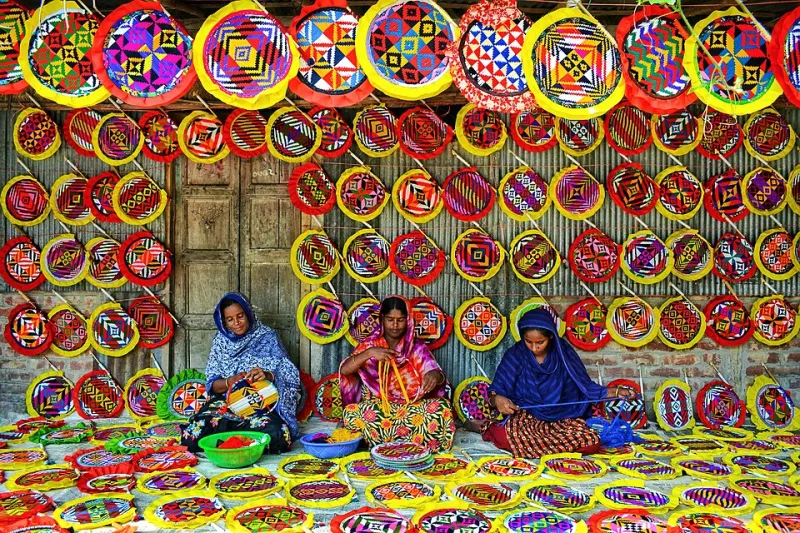
Photo: Shafiul Islam Shaikot, CC BY-SA 4.0, via Wikimedia Commons
I want you to think about the last time you walked into a craft store — or opened an Etsy tab, or scrolled through a yarn dyer's Instagram — without buying anything.
Tough, right?
There's a reason the phrase "yarn stash" exists in our community as a widely recognized phenomenon rather than a minor quirk. Crocheters and knitters accumulate yarn the way other people accumulate books or houseplants: enthusiastically, optimistically, and usually well beyond any realistic capacity to use it. And yet the buying continues, project after project, skein after skein, until the hall closet becomes a fiber archive and you're making genuinely creative decisions about how to explain the UPS deliveries to your partner.
This isn't a character flaw. It's actually pretty predictable human psychology — and understanding why it happens is the first step to doing something about it.
The Dopamine Loop You Didn't Sign Up For
Here's what's happening in your brain when you buy yarn: the anticipation of a purchase triggers a dopamine release that is, neurologically speaking, more rewarding than the purchase itself. This is well-established behavioral science, and it explains why buying yarn feels so good even when you have plenty at home.
The yarn represents possibility. It's the version of the project where everything goes perfectly — the colors are exactly right, your tension is flawless, and you have the time and energy to finish it beautifully. In the moment of purchase, all of that is still true. The yarn hasn't disappointed you yet. It's pure potential.
Actual crocheting, by contrast, involves real-world friction. The pattern is harder than you thought. The color looks different in your living room than it did on your phone screen. Life gets busy. The gap between the imagined project and the actual project is where stash yarn goes to live indefinitely.
This is sometimes called the "planning fallacy" — our tendency to overestimate our future capacity and underestimate how complicated things will actually get. We buy yarn for the version of ourselves who has six free hours on a Saturday. That version shows up less often than we'd like.
FOMO, Limited Editions, and the Discontinued Color Problem
The yarn industry has gotten extremely good at manufacturing urgency. Independent dyers — who make genuinely beautiful, genuinely unique products — release colorways in limited batches that sell out fast. Craft stores discontinue colors with no warning. Seasonal collections come and go.
All of this creates a very real fear of missing out that is, honestly, sometimes justified. If you love a color and it's going away, buying it makes sense. The problem is when FOMO becomes the primary driver of every purchase — when you're buying yarn not because you have a specific plan for it, but because you're afraid it won't be there when you eventually do.
The result is a stash full of yarn you bought emotionally, for projects you haven't figured out yet, in quantities that made sense in the moment but now feel a little overwhelming.
Sound familiar? You are not alone. This is the most common pattern I hear from crafters across every skill level.
Taking an Honest Inventory
Before you can change your buying habits, you need to know what you actually have. This step is uncomfortable for a lot of people — pulling everything out, organizing it, and confronting the full scale of the stash can feel like a lot. But it's also genuinely useful information.
Organize your stash by weight category first: fingering, DK, worsted, bulky. Then note the fiber content and approximate yardage. You don't need a spreadsheet (though some people love one) — even just physically grouping things by weight gives you a much clearer picture of where your buying habits have been concentrated.
What you'll probably find: you have a lot of worsted weight in colors you loved at the time but aren't sure what to do with, a handful of single skeins of gorgeous yarn that's not enough for any real project, and a few quantities of something you bought for a specific project that never happened.
This is normal. This is most stashes. Now you have something to work with.
Building a Realistic Project Pipeline
The best antidote to impulse yarn buying is having a clear sense of what you're actually going to make next. Not a vague list of someday projects — a real, prioritized pipeline of three to five things, matched to yarn you already own.
Start with your stash. Pick one project for each weight category where you have enough yardage to actually finish something. Look up patterns that match what you have. Commit to one project at a time, or two if you like having a portable project and a couch project simultaneously.
When you have a pipeline, you have something to point to when the yarn-buying impulse hits. "I can't start that project right now — I have three things ahead of it." It reframes purchasing from an emotional decision to a logistical one, and that small shift makes a real difference.
The pipeline also creates a built-in reward system. Finish a project? You've earned the right to add something new to the queue. The stash starts moving, and the satisfaction of using yarn you already own — and seeing it transform into something real — turns out to be its own kind of dopamine hit.
Finding Joy in What You Already Have
There's a specific pleasure in pulling a skein out of your stash and realizing it's exactly right for something. It feels like finding money in an old coat pocket. The yarn you bought six months ago with only a vague idea in mind suddenly has a purpose, and the fact that you already own it makes the whole project feel like a gift.
This is the feeling that stash-busting challenges are designed to create, and it's genuinely addictive in a healthy way. Try giving yourself a no-buy month — one month where you commit to only working from your existing stash. The first week is the hardest. By week three, most crafters report feeling surprisingly liberated. The constraint forces creativity, and creativity is more fun than shopping.
You can also try a "one in, one out" rule: for every new skein you buy, you commit to using a skein from your stash first. It's not a perfect system, but it slows the accumulation and keeps the stash from growing faster than you can ever reasonably work through it.
Buying Mindfully When You Do Buy
None of this is an argument against buying yarn. Yarn is wonderful. Supporting independent dyers is a genuinely good thing to do. Treating yourself to something beautiful is one of the great small joys of being a crafter.
The goal isn't to stop buying — it's to buy with intention. Ask yourself three questions before any yarn purchase: Do I have a specific project in mind for this? Do I have enough of it to actually finish that project? Do I have the bandwidth to start this project in the next few months?
If the answer to all three is yes, buy the yarn. If the answer is "not really, but it's so pretty," take a photo of it instead and revisit in two weeks. If you're still thinking about it, maybe it's meant to be. If you've forgotten about it, you have your answer.
Your stash should feel like a resource, not a source of guilt. Getting there takes time and a little honest self-reflection — but so does everything worth making.