So You Want to Sell Your Crochet: The Honest Guide Nobody Gives You
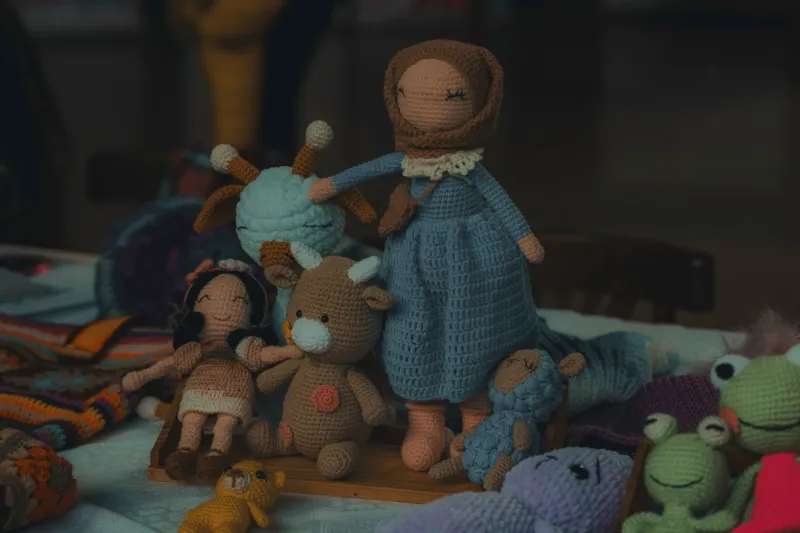
At some point, almost every crafter hears it: "You should sell these!" Maybe it's a friend admiring a hat you made. Maybe it's a stranger at a holiday market asking where you got your bag. Maybe it's just a quiet thought you keep having while you work: could this be something more?
The answer is yes — it absolutely can be. Makers all over the country are building real, sustainable income from their crochet work, whether that's a few hundred dollars a month from pattern sales or a full-time handmade goods business. But the path from hobbyist to seller is full of decisions that nobody really prepares you for, and some of those decisions can quietly drain the joy right out of a craft you love.
This is the guide I wish someone had handed me at the start. Let's get into it.
First, Get Honest About What You're Actually Selling
Before you open an Etsy shop or set up at a local craft fair, it helps to get clear on what your business model actually is — because "selling crochet" covers a lot of very different things.
Physical goods — finished hats, bags, garments, home goods — are the most visible form of crochet selling, but they're also the most labor-intensive. You're trading time directly for money, and as we'll talk about in a minute, that math gets complicated fast.
Crochet patterns — PDF downloads of your original designs — have a very different economics. You do the work once (designing and writing the pattern), and then it can sell repeatedly with minimal ongoing effort. Pattern sales have become one of the most sustainable income streams for indie designers, especially on platforms like Etsy, Ravelry, and LoveCrafts.
Kits and supplies — bundling yarn with a pattern, or curating tools and materials — is a middle path that some makers find works well, especially if you have a strong brand following.
Teaching — whether through in-person workshops, YouTube, or paid online courses — is another avenue entirely, and one that can be deeply rewarding if you love sharing the craft.
None of these paths is objectively better than the others. But knowing which one (or which combination) fits your skills, lifestyle, and goals will save you a lot of wasted energy.
The Pricing Problem: Please, Stop Undercharging
I'm going to be direct here because it matters: most crochet makers dramatically undercharge for their work, and it's one of the biggest reasons handmade businesses fail or burn out their owners.
Here's a simple formula to start with:
Materials cost + (hourly rate × hours worked) + overhead + profit margin = minimum price
For a lot of makers, the sticking point is the hourly rate. It feels uncomfortable to value your time at $15, $20, or $25 an hour when you're just starting out. But consider: even at a modest $15/hour, a hat that takes three hours to make plus $8 in yarn costs a minimum of $53 before you account for platform fees, shipping supplies, or your time photographing and listing it.
The reason many handmade goods seem "expensive" compared to fast fashion is because fast fashion has externalized its true costs — to underpaid workers, to the environment, to communities near manufacturing sites. Your price reflects the actual cost of making something well. That's not something to apologize for; it's something to communicate with confidence.
A few pricing resources worth bookmarking: the Flourish & Thrive Academy has free content on pricing for makers, and the book Handmade to Sell by Kelly Rand is a practical guide specifically for craft-based businesses.
Platforms: Where to Actually Sell
Your platform choice matters more than most people realize, because each one attracts a different buyer and has different fee structures.
Etsy remains the dominant marketplace for handmade goods in the US. The built-in audience is massive, but competition is fierce, fees have increased significantly in recent years (listing fees, transaction fees, payment processing, and sometimes offsite ad fees all add up), and Etsy's algorithm rewards consistent, prolific listings. It's a good starting point, but don't build your entire business on a platform you don't control.
Ravelry is the go-to for pattern sales specifically. The community is enormous and deeply engaged, and it's free to list patterns. If you design crochet or knitting patterns, having a Ravelry presence is essentially non-negotiable.
Your own website — whether through Shopify, Squarespace, or a simple WordPress setup with WooCommerce — gives you full control over your brand, your customer relationships, and your data. It takes more effort to drive traffic, but you're not at the mercy of a platform's algorithm or policy changes. Many successful makers use Etsy to attract new customers and their own site to retain them.
Instagram and TikTok aren't selling platforms exactly, but they're powerful discovery tools. Short videos of your work in progress, behind-the-scenes content, and finished product reveals can drive significant traffic to wherever you're actually selling.
The Legal Stuff: Don't Skip This Section
I know, I know — this is the least fun part. But a few basics can save you real headaches down the road.
Business structure: Most small-scale sellers start as sole proprietors, which requires no special registration in most states. As your income grows, it's worth talking to an accountant about whether an LLC makes sense for liability protection.
Taxes: If you're earning money from your crochet, that income is taxable. Keep records of your expenses (yarn, hooks, shipping supplies, platform fees) because those are deductible. Set aside roughly 25-30% of your profit for taxes if you're not withholding elsewhere. The IRS's self-employment resources are actually pretty accessible and worth reading.
Patterns and copyright: If you're selling original patterns, they're automatically protected by copyright the moment you create them. If you're making and selling physical goods based on someone else's pattern, check the pattern's licensing terms — some designers explicitly permit commercial use, others don't.
How to Not Hate What You Love
Here's the part that doesn't get talked about enough: monetizing a craft you love can quietly change your relationship with it, and not always for the better. When crocheting becomes a job — when there are deadlines and customer expectations and production quotas — the meditative, joyful quality that drew you to it can start to feel like pressure.
This is real, it's common, and it's worth proactively protecting against.
A few things that help:
Keep a personal project going. Always have something you're making purely for yourself, with no intention of selling it. This keeps the play alive in your practice.
Set production limits. It's okay to limit how many custom orders you take per month, or to close your shop during busy life seasons. Scarcity can actually be a selling point — "limited quantities available" is honest and sustainable.
Know your "enough." Decide in advance what income goal would feel satisfying rather than chasing endless growth. A business that earns $800/month and leaves you energized is better than one that earns $3,000/month and leaves you depleted.
Stay connected to community. The crochet world is genuinely warm and supportive. Local craft nights, online groups, maker communities — these remind you why you started and offer perspective when the business side feels heavy.
Selling your crochet is a real and viable thing. Just make sure the version of it you build is one you actually want to live inside.
You built something beautiful with your hands. That's already the hardest part.