Why Your Handmade Sweater Is Losing Its Shape — And What You Can Actually Do About It
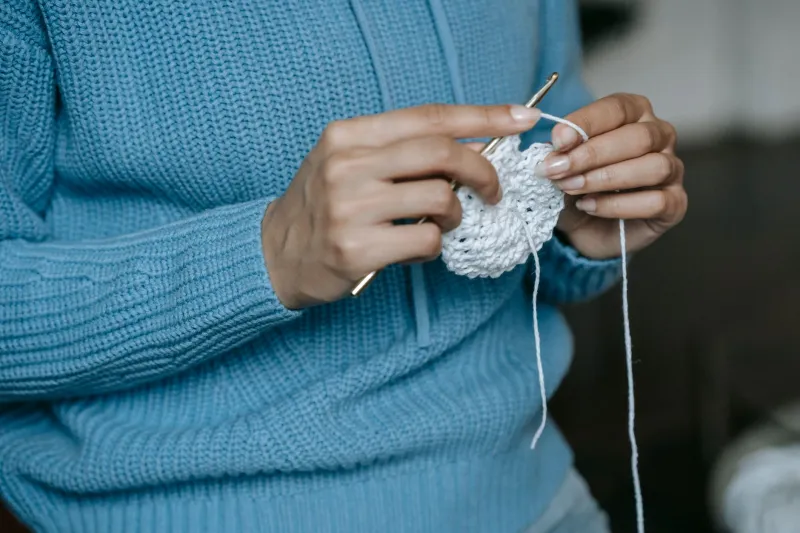
There's a special kind of heartbreak that comes with pulling your favorite handmade sweater out of the laundry and realizing it looks like it belongs to someone three sizes bigger. The sleeves are longer. The body is wider. The whole thing just kind of... gave up.
Here's the thing — this doesn't happen by accident. There are real, fixable reasons why crocheted garments stretch out over time, and most of them come down to decisions made before you ever cast on your first stitch. Whether you're troubleshooting a piece that's already gone saggy or trying to prevent it from happening to your next project, this guide is for you.
The Real Culprit: Fiber Choice
Let's start at the very beginning, because this is where most garment disasters are born. Not all yarn is created equal when it comes to holding its shape, and the fiber content of what you're working with matters enormously.
Natural fibers like 100% cotton and bamboo are notorious for growing over time. They're heavy, they don't have much memory, and gravity is not their friend. A cotton pullover that fits perfectly off the blocking mat can easily drop a full inch in length after a season of wear. Wool, on the other hand, has natural elasticity — it wants to bounce back. Blends that include nylon or acrylic alongside natural fibers tend to hold their structure much better for garments that need to keep their shape.
This doesn't mean you have to avoid cotton or bamboo forever. It just means you need to plan for them. Size down on needle gauge, work a tighter tension, and choose construction styles (like top-down raglan) that distribute weight more evenly.
Your Gauge Swatch Is Not Optional (Yes, Really)
Okay, we've all skipped the gauge swatch. It feels like busywork when you're excited to start a new project. But for garments specifically, an inaccurate gauge is one of the fastest ways to end up with something that doesn't fit — and doesn't hold up.
Here's what a lot of beginners don't realize: your gauge can shift over the course of a project. If you start a sweater on a Tuesday evening when you're relaxed and finish it two weeks later during a stressful workweek, your tension has probably changed. That inconsistency shows up as subtle distortions in the fabric that only become obvious once the piece is washed and worn a few times.
The fix? Work your gauge swatch in the round if your project is worked in the round. Wash and block your swatch the same way you plan to treat the finished garment. And if you're someone whose tension tends to tighten under stress, go up half a hook size when you know you're having a rough week.
Blocking Gone Wrong
Blocking is one of those steps that sounds simple until you realize there are about a dozen ways to do it incorrectly. Over-blocking is a very real problem — especially with plant-based fibers. If you soak a cotton sweater and then stretch it out aggressively on your blocking mats to "open up the stitches," you've just trained those fibers to stay in that stretched position. That's great for a lace shawl. It's not so great for a fitted cardigan.
For garments, the goal of blocking is to even out your stitches and set the final dimensions — not to resize the piece. Use your schematic measurements as a guide and pin to size, not beyond it. For wool and wool blends, wet blocking or steam blocking works beautifully. For cotton and acrylic, a light steam with an iron held just above the surface (never pressing down) is usually enough.
And please — let the piece dry completely before you move it. Picking up a damp sweater and hanging it over a chair to finish drying is a one-way ticket to stretched-out shoulders.
Construction Choices That Set You Up to Fail
Some sweater shapes are just harder to keep in their original form than others. Drop-shoulder construction, for example, is beginner-friendly and looks gorgeous, but those wide armholes and heavy sleeves put a lot of downward pull on the body of the sweater. Over time, that weight drags everything down.
Seamed construction — where the front, back, and sleeves are worked flat and then sewn together — actually holds up better over time than seamless construction for heavier yarns. The seams act as a kind of internal scaffolding. If you're working with a chunky weight or a fiber that tends to grow, consider a pattern that includes side seams.
Also worth looking at: your stitch pattern. Dense, tight stitch patterns like single crochet hold their shape much better than open, lacey ones. If you're making a garment out of a drapey fiber and using an open stitch pattern, you're stacking the deck against yourself.
Rehabilitating a Sweater That's Already Stretched
So what do you do if the damage is already done? Don't give up yet — there are a few tricks worth trying.
For wool and wool-blend garments, a warm (not hot) soak followed by a gentle hand-squeeze to remove excess water, and then reshaping and pinning to your original measurements while damp, can actually coax a lot of the stretch back out. Wool fibers respond to moisture and manipulation, so this approach genuinely works if the stretching isn't too severe.
For cotton pieces, try a short, low-heat tumble in the dryer for about ten minutes after washing. The gentle heat and tumbling action can help cotton fibers contract slightly. It won't work miracles, but it can take the edge off a sweater that's grown an inch too long.
If a neckline has stretched beyond recovery, you can sometimes crochet a slip stitch edging around the inside of the collar to cinch it back in without changing the look from the outside. Same goes for cuffs and hem edges.
Going Forward: Small Habits That Make a Big Difference
The best garment care starts before you ever cast on. Before your next project, take a few minutes to research how your chosen yarn behaves over time — a quick search for your yarn brand plus "pilling" or "growth" will tell you a lot. Check the care label and actually follow it. Store finished sweaters folded, never hanging, to prevent gravity from doing its worst between wears.
And when a pattern calls for a specific fiber? Trust it. Pattern designers test their work with particular yarns for a reason, and swapping in a totally different fiber type without adjusting your approach is a gamble that doesn't always pay off.
Handmade garments can absolutely last for years — even decades — when they're made thoughtfully and cared for properly. A little extra attention at the planning stage goes a long way toward making sure that sweater you worked so hard on is still one of your favorites five winters from now.