When the Hook Feels Heavy: Real Strategies for Getting Through a Creative Slump
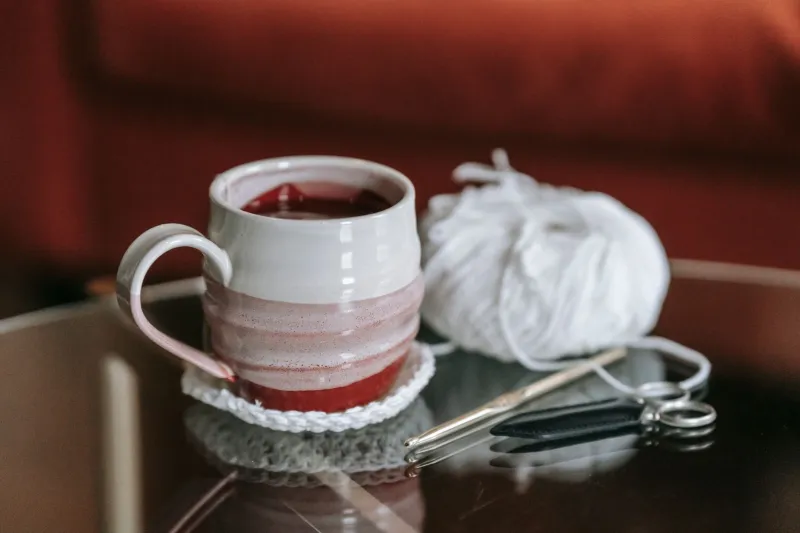
It usually sneaks up on you. One week you're mid-project and loving it, and the next you walk past your yarn basket and feel... nothing. Maybe a little guilty. Maybe a little annoyed that you feel nothing. The hook sits untouched. The WIP gathers dust.
You're in a slump, and if you've been crocheting for any length of time, you already know this isn't your last one.
Slumps are a normal part of any creative practice — but that doesn't make them less frustrating, especially when your crochet time is also your decompression time, your social outlet, or part of your income. So let's talk about what's actually going on, and what you can do that's more useful than just gritting your teeth and waiting for it to pass.
Seasons Affect More Than Your Project Choices
There's a reason so many makers report hitting walls in January and again in July or August. These aren't random — they're seasonal.
In winter, especially post-holidays, there's often a crash. You've been in gift-making mode for months, maybe running on obligation and deadline adrenaline, and when January arrives the energy just... evaporates. The projects that were exciting in October feel tired now. And the short days, cold weather, and general flatness of early winter don't help.
Summer has its own version of this. Heat is genuinely demotivating for fiber work — heavy yarn in your lap when it's 90 degrees outside is a specific kind of miserable. Plus summer often brings schedule disruptions: kids home from school, travel, social obligations that eat into the quiet evenings you normally crochet through.
Recognizing the pattern in your own creative cycle is the first step. If you know you reliably slump in February, you can plan for it instead of being blindsided.
The Problem with 'Just Keep Going'
The most common advice for creative slumps — across every creative field — is some version of "show up anyway" or "just start and the motivation will follow." And honestly? Sometimes that works.
But sometimes it doesn't, and forcing yourself through a slump can actually make it worse. If every time you sit down with your hook it feels like homework, you're building a negative association with something you're supposed to love. That's a bad trade.
The smarter approach is to adjust what "showing up" looks like during a low-energy period, rather than insisting on the same level of output you'd have during a peak creative stretch.
Lower the Bar on Purpose
One of the most effective slump-busters is deliberately choosing smaller, lower-stakes projects. Not because you're giving up — but because finishing something, anything, creates momentum.
A simple washcloth. A quick beanie in a single skein. A set of coasters. Something you can start and finish in a weekend, or even an evening. The act of completing a project — seeing it done, holding it in your hands — reactivates the reward loop that makes crochet satisfying in the first place.
This isn't dumbing down your practice. It's smart pacing. Even professional athletes have easy training days. Your crochet practice can have them too.
Seasonal Project Pivots That Actually Work
Sometimes a slump is really just a mismatch between your current project and your current season — in both the literal and emotional sense.
If you're in a winter slump, try leaning into cozy instead of fighting it. Swap a technical, attention-demanding project for something tactile and meditative — a chunky blanket, a simple ribbed cowl, something you can work on while watching TV without counting every row. Let crochet be comfort, not challenge.
In summer, go the opposite direction. Lightweight cotton yarn, smaller projects, things that won't overheat you or require intense focus. Crochet a market tote, some simple earrings, a lace bookmark. Keep the hook in your life without demanding the same commitment as a full sweater.
Matching your project to your actual current capacity — not your ideal capacity — is underrated.
Give Yourself a Real Break (Yes, Really)
Here's the permission slip: sometimes the right answer is to put the hook down for a bit.
Not forever. Not because you're quitting. Just a deliberate, guilt-free pause.
A lot of makers feel like stepping away from their craft means they've failed at it somehow, especially if crochet is part of their identity or their business. But rest is part of a sustainable creative practice. Burning yourself out by forcing productivity through every slump is a fast track to losing interest in the craft entirely.
Take a week. Watch the shows you've been putting off. Read. Cook something elaborate. Do literally anything else. When you come back — and you will — you'll often find the enthusiasm has quietly refilled in your absence.
Reignite with Input, Not Output
When you're low on creative output, try switching to creative input instead.
Browse Ravelry or Pinterest not to plan a project, but just to look. Watch a maker's YouTube channel purely for enjoyment. Go to a local yarn store and handle yarn you'd never buy just to feel the textures. Look at what other crocheters are making on Instagram without the pressure of recreating it.
You're not wasting time — you're refilling the well. Creativity needs inspiration to draw from, and during a slump that well can run dry. Filling it back up is productive even when it doesn't look like it.
Community Helps More Than You'd Think
Slumps are lonelier when you're going through them in isolation. Connecting with other makers — even just virtually — can shift the energy surprisingly fast.
Join a crochet-along. Drop into a local stitch-and-chat group, even if you only go once. Post a WIP photo in an online group and let people cheer you on. Sometimes just knowing other people are making things is enough to make you want to make things again.
Crochet has always been a community craft. Don't underestimate the motivating power of making alongside other people, even remotely.
Slumps Are Part of the Practice
Every maker you admire has hit stretches where the work felt impossible. The ones who kept going long-term aren't the ones who never slumped — they're the ones who learned how to move through a slump without catastrophizing it.
Your creative rhythm isn't broken. It's just resting. Give it what it needs, and it'll come back. It always does.