Keep It, Gift It, or Frog It: How to Honestly Edit Your Handmade Crochet Wardrobe
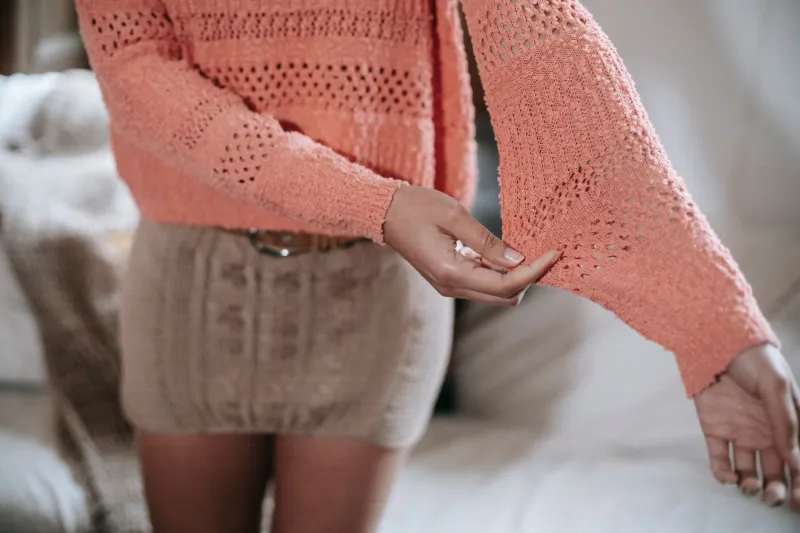
Let's be real for a second. Most of us have a drawer, a bin, or an entire closet shelf dedicated to finished crochet projects we haven't actually worn in months — maybe years. There's the chunky cardigan that fits weird across the shoulders. The summer top you made in a color you were so sure about. The scarf that took three weeks and somehow still looks kind of... off.
You made all of it with your own two hands, and that means letting go feels almost impossible. But here's the thing: a handmade wardrobe that's cluttered with pieces you never reach for isn't actually serving you. It's just guilt on a hanger.
A crochet closet audit isn't about being harsh with yourself. It's about being intentional — which is kind of the whole point of making your own clothes in the first place.
Start With the "Last Worn" Test
Pull everything out. Yes, everything. Lay it on the bed, drape it over chairs, pile it on the floor if you need to. Now ask yourself one simple question about each piece: When did I last actually wear this?
If you can't remember, that's your answer.
This isn't about punishing yourself for making something that didn't pan out. It's about recognizing that your time and your yarn are both finite resources. A piece that's been sitting unworn for a year is quietly telling you something — and it's worth listening.
Make three piles: Keep, Maybe, and Let Go. Don't overthink it on the first pass. Go with your gut.
Ask the Hard Questions About Fit and Wearability
Once you've got your piles sorted, it's time to try everything on. This is the part people skip, and it's exactly why things stay in the closet forever.
For each piece, ask:
- Does this actually fit my body right now? Not the body you had two years ago, not the body you're hoping for. Your current, real body.
- Is it comfortable to wear for more than an hour? Scratchy yarn, awkward armholes, and sleeves that are slightly too long are all dealbreakers in daily wear.
- Does it work with anything else I own? A crochet piece that requires a very specific outfit to function isn't versatile — it's a costume.
- Would I buy this if I saw it in a store? Harsh, but useful.
Fit issues that are structural — like a yoke that pulls or a hem that flares wrong — are unlikely to resolve themselves. If you've already tried wearing it and talked yourself into it more than once, it's probably time to let it go.
Give Emotional Value Its Due — But Don't Let It Run the Show
Some pieces carry weight beyond their wearability. Maybe it was your first successful garment. Maybe you made it during a hard season of your life. Maybe the yarn came from a shop that's since closed and you'll never find that colorway again.
Emotional value is real, and you don't have to dismiss it. But there's a difference between keeping something because it genuinely means something to you and keeping it because you feel guilty about the 20 hours you spent on it.
A good rule of thumb: if the emotional attachment is the only reason it's staying, find a different way to honor it. Take a photo. Frog it and use the yarn for something you'll actually love. Frame a swatch. Display it instead of hiding it in a drawer.
Recognize What's Worth Repairing
Some pieces aren't hopeless — they just need a little attention. A loose seam, a popped button, a hem that's started to unravel: these are fixable. If a piece fits well and you genuinely like wearing it, a quick repair session can bring it back to rotation.
What's not worth repairing is a piece with fundamental construction problems, yarn that's pilled beyond saving, or a style you've genuinely moved past. Sinking another two hours into something you don't actually want to wear is just delaying the inevitable.
The Repurpose-and-Gift Tier
Not everything that leaves your closet has to go in the trash — and honestly, very little of it should. Here are some genuinely good options for pieces that aren't working for you:
Gift them. A chunky cowl that's not your vibe anymore might be exactly what your sister has been looking for. Handmade gifts land differently when there's real craft behind them.
Donate thoughtfully. Local shelters, community organizations, and craft swaps are all great options. Check first to see what's actually needed — not every organization accepts handmade items, but many do.
Frog and reclaim the yarn. If the piece isn't wearable and isn't giftable, unraveling it is a perfectly valid choice. Reclaimed yarn has a whole second life ahead of it, and there's something genuinely satisfying about turning a failed project back into raw potential.
Repurpose into something new. A sweater that doesn't fit right might yield enough yarn for a hat, a pair of mitts, or a small bag. Think of it as creative recycling.
Build Forward With Intention
Once you've cleared out the pieces that weren't serving you, take a look at what's left. Chances are, you'll start to see patterns — colors you actually reach for, silhouettes that work for your lifestyle, textures you genuinely enjoy wearing.
That's your roadmap for future makes.
A handmade wardrobe isn't about having the most projects. It's about having the right projects — the ones that fit your life, your body, and your style. Every piece you let go of creates space, both physical and mental, for something you'll actually love.
Stitch by stitch, you're building something beautiful. Make sure it's something you'll actually wear.