Crochet Over Fast Fashion: The Smarter Way to Build a Wardrobe That Actually Lasts
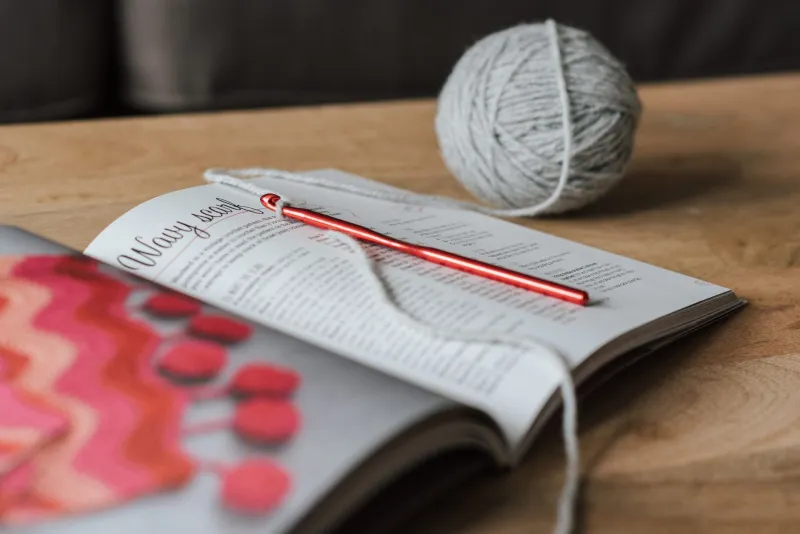
Let's be honest — that $14 sweater from a fast fashion site looked great in the cart. By the third wash? Pilling, stretching, and somehow already out of style. Sound familiar? If you've been crocheting for any length of time, you've probably started to notice something: the pieces you make yourself just hold up. And when you actually run the numbers, handmade crochet isn't the expensive hobby people assume it is. It might actually be the most economical wardrobe choice you can make.
This isn't just a feel-good craft story. It's a real conversation about dollars, durability, and the slow-building satisfaction of owning things that last.
The True Cost of Fast Fashion (It's Not What's on the Tag)
The average American buys around 68 garments per year, according to data from the American Apparel & Footwear Association. A lot of those pieces are impulse purchases — cheap, trendy, and gone from rotation within a season. When you add up what a typical shopper spends replacing basics alone — think cardigans, tops, and layering pieces — it's not unusual to see $400 to $600 disappear annually on items that don't survive two years.
Fast fashion is designed to be temporary. The fibers are often low-grade, the construction is rushed, and the whole business model depends on you coming back to buy more. That's not a conspiracy theory — it's a business strategy.
Now compare that to a handmade crochet cardigan made from a quality worsted weight wool or cotton blend. A solid skein of Lion Brand Wool-Ease runs around $8 to $10 at most craft stores. A basic women's cardigan typically takes three to five skeins depending on size, putting your material cost somewhere between $25 and $50. Add in a good hook (a one-time investment of $10 to $15), and your total is still well under $65 for a piece that — if cared for properly — can last a decade.
That's not a typo. A decade.
Real Numbers From Real Makers
Jamie, a maker based in Nashville, started crocheting her own basics about four years ago after getting frustrated with how quickly her store-bought sweaters fell apart. "I kept buying the same gray cardigan over and over," she says. "Different brands, same result. Stretched out, faded, done."
She learned a simple top-down raglan pattern, bought three skeins of a merino blend, and made herself a cardigan she's still wearing today. Her total cost? Around $38. She's worn it an estimated 80-plus times.
Break that down: $38 divided by 80 wears comes out to less than 50 cents per wear. Compare that to a $30 fast fashion sweater worn 10 times before it pills beyond saving — that's $3 per wear. Six times more expensive, in real terms.
That kind of cost-per-wear math is exactly how sustainable fashion advocates encourage people to think about their wardrobes. And handmade crochet nails it every time.
Why Crochet Holds Up Where Fast Fashion Fails
It comes down to construction. Crochet fabric — when worked correctly — is dense, interlocked, and flexible in ways that machine-knit or woven fabric often isn't. There are no seams to unravel in the same way, no cheap serged edges hiding behind a hem. Each stitch is essentially a knot, and a well-made crochet piece is structurally resilient in a way that's genuinely hard to replicate at mass-market scale.
Fiber choice matters too. When you're making your own pieces, you get to decide what goes into them. Many makers opt for natural fibers — merino wool, cotton, alpaca blends — that breathe, stretch, and recover better than synthetic alternatives. Yes, quality yarn costs more upfront. But it's an investment in longevity, not a splurge.
Marcela, a maker from the Chicago area who's been crocheting for about six years, puts it simply: "I have a cotton market bag I made in 2019. It goes to the farmers market every single weekend. It's never once let me down. A plastic bag from the store would've been in the landfill the same day."
Building a Crochet Wardrobe That Works Like a Capsule Collection
The real magic happens when you start thinking about crochet as a wardrobe strategy, not just a hobby. Instead of chasing trends, you invest your time in classic, versatile pieces that mix and match across seasons. Think:
- A neutral cardigan in a timeless stitch (the granny square cardigan trend is proof that classic construction never really goes out of style)
- A fitted crop top or tank in cotton — easy to layer, easy to dress up or down
- A market tote or structured bag that replaces disposable options
- A cozy beanie or bucket hat that holds its shape wash after wash
These aren't exciting, flashy pieces. They're the backbone of a wardrobe that actually functions. And because you made them, you know exactly how to care for them — which dramatically extends their life.
The Time Investment Is Part of the Point
Here's the part that trips people up: crochet takes time. A cardigan might take you 15 to 25 hours depending on your skill level and the pattern. For a lot of people, that feels like a dealbreaker.
But reframe it. Those hours aren't wasted — they're the reason the piece has value. You're not just making a sweater; you're building a skill, engaging in something meditative, and creating an object with genuine staying power. Many makers describe their crochet time as the most grounding part of their week. That's not nothing.
And the more you crochet, the faster you get. Patterns that once took a month become weekend projects. Your time investment shrinks while the quality of what you make keeps improving.
Slow Down to Spend Less
There's a reason younger makers are embracing this shift. In a culture that's finally starting to push back against overconsumption, crocheting your own wardrobe is one of the most tangible ways to opt out of the cycle. You make less, but you make better. You spend thoughtfully on materials instead of impulsively on trends. And you end up with pieces that carry actual meaning — because you made them, stitch by stitch.
Fast fashion will always be there, promising a deal that isn't really a deal. But every time you pick up your hook and start a new project, you're making a different kind of choice. One that pays off — literally — for years to come.
So the next time someone raises an eyebrow at your yarn budget, just pull out the math. Turns out, the most economical thing in your closet might be the thing you made yourself.